Key Takeaways
- Data storage levels include hot, cool, and cold storage
- Hot storage has higher upfront costs, but quicker and cheaper retrieval
- Cold storage is cheaper, but with more complex retrieval
- Static archives, like Cloudlocker, are ideal for long-term storage of rarely accessed data
Let’s talk about data storage levels. There’s a whole lot of data out there – an estimated 200 zettabytes (for reference, one zettabyte is equal to one trillion gigabytes). There are countless options for where and how to store that data. Not just what vendors or systems to use, but what types of storage levels.
We can break down data archiving into two main categories: active and static. Cloudlocker is a static archive, designed to store data you need to hold on to, but rarely need to access.
Active Data Storage Levels
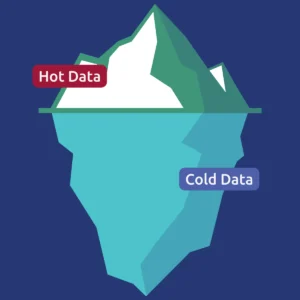
Hot and warm storage solutions are both types of active data archiving. They’re higher-performance, higher-speed, and higher-cost. This is for data used frequently, constantly, and in real-time. Exchange Archives with Microsoft or Google Vault for Google Workspace are active archives.
Not every storage system offers warm storage, but it can serve as an in-between level. Warm storage is still active, but with slower retrievals. Azure Blob offers hot, cool, cold, and even an offline archive-specific storage tier.
Storage Level | Storage Cost | Retrieval Cost |
Hot | $$$ | $ |
Cool | $$ | $$ |
Cold | $ | $$$ |
Static Archiving
Cloudlocker is a static archive. Static archiving is more cost-effective, long-term storage for data that is rarely accessed but needs to be retained for compliance, retention, and historical reasons.
Cloudlocker is built with Microsoft Azure, using Azure Cool storage. It’s not quite hot, but not cold either. The balance of lower storage costs than hot storage, but higher data access costs, makes Cloudlocker ideal for archiving infrequently accessed or modified files.
The Need for a Static Archive
Cost-efficient, scalable, long-term data archiving solution for legacy documents, previous employee emails and files, historical archives, and backups. HIPAA requires retaining all records, including emails with any protected health information, for at least six years. In the financial industry, regulations from different agencies range from a minimum retention of a couple of years to seven years or more. A static archive ensures compliance while reducing costs and saving space.
Combining Static and Active Archives
Active and static archives, and different levels of storage, all have their purposes. Sometimes, data needs to move from one to the other, or be combined in different ways. Having a static archive and an active archive that easily work together saves time and energy.
Cloudlocker ties in with Microsoft Purview eDiscovery, and Relativity One, so your data can be combined and easily exported when needed.